
Sustainability at Cavendish Jewellers
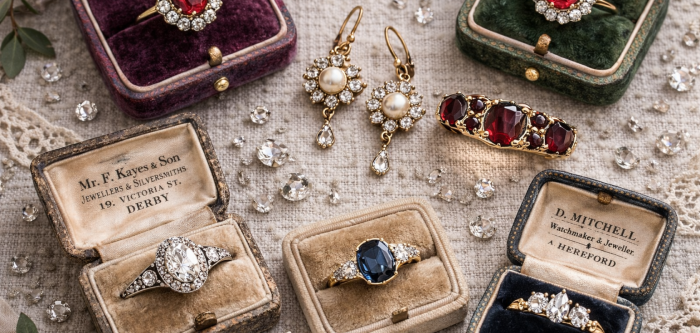
Sustainability is no longer a trend; it is a responsibility. As awareness grows around climate change, ethical sourcing, and environmental impact, customers are rightly asking important questions about where their jewellery comes from and how it affects the planet.
At Cavendish Jewellers, based in central York, sustainability has always been woven into the fabric of what we do. Long before it became a headline topic, our business model naturally aligned with environmentally conscious values. Today, we are proud to share how our practices continue to support a more sustainable future while celebrating the beauty, history and romance of fine jewellery.
Recycling, Reimagining, Re-loving
One of our strongest green credentials is simple: we recycle.
Approximately 90% of our jewellery is second-hand. That means the vast majority of the pieces we sell already exist. Rather than commissioning newly mined materials, we specialise in transforming the heirlooms of yesteryear into treasures ready to be cherished by the next generation.
By giving jewellery a second life, we:
- Dramatically reduce the demand for newly mined materials
- Avoid the environmental impact of new large-scale production
- Preserve craftsmanship from earlier eras
- Extend the lifecycle of precious metals and gemstones
Every vintage ring, antique brooch or classic diamond necklace we restore carries history, character and craftsmanship that simply cannot be replicated.
In environmental terms, the impact is minimal. The gold has already been refined. The gemstones have already been cut. The setting has already been made. We are not creating new extraction demands – we are honouring what already exists.
That is true circular luxury.
Transforming Heirlooms for Future Generations
Jewellery has always been deeply personal. It marks engagements, anniversaries, milestones and memories. When you choose a second-hand or antique piece, you are not just making a sustainable choice – you are becoming part of a continuing story.
We carefully restore and, where appropriate, sympathetically remodel pieces so they can be worn and enjoyed today, without losing their heritage. This process preserves both material resources and emotional value.
An heirloom is not simply reused – it is reborn.
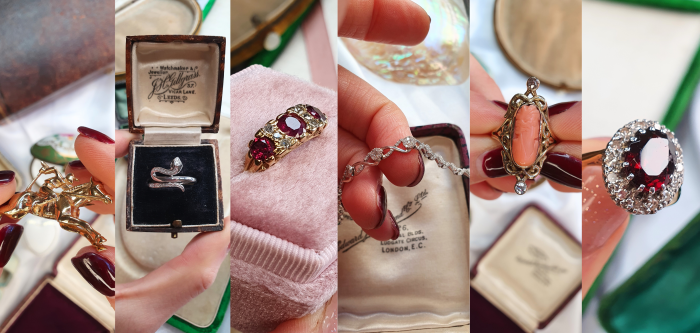
Natural Diamonds vs Lab-Grown Diamonds – The Sustainability Conversation
In recent years, lab-grown diamonds have often been marketed as the “green” alternative to natural diamonds. However, the reality is more complex.
Creating a diamond in a laboratory requires replicating the intense heat and pressure found deep within the Earth’s core. This process demands substantial amounts of man-made energy to generate those conditions artificially. Industrial facilities operate continuously to recreate what nature produced over millions of years.
By contrast, natural diamonds were formed billions of years ago through geological processes involving heat from the Earth’s core and immense tectonic pressure. They are a product of nature’s forces – not modern energy consumption.
While technology has made laboratory production possible, it is not energy-free. The environmental impact depends heavily on the energy source used, and large-scale production facilities consume significant power.
The Romance and Rarity of Natural Diamonds
There is also an intangible element that cannot be manufactured: romance.
A natural diamond was created millions, sometimes billions of years ago beneath the Earth’s crust. It survived volcanic eruptions and geological shifts before being discovered, cut and set into jewellery. Each stone is a rare geological miracle.
A lab-grown diamond, by contrast, may have been created last year in a sterile laboratory environment.
For many, the story matters. The symbolism matters. The sense of rarity matters.
And rarity is key!
Natural diamonds are finite. They are mined from the earth in limited quantities, which contributes to their ability to maintain value over time. Lab-grown diamonds, however, can be produced in increasing volumes. As production rises, market prices have fallen significantly in recent years.
Put simply:
- The more lab-grown diamonds are created, the less rare they become.
- Reduced rarity leads to reduced long-term value.
Resale value reflects this difference. Natural diamonds have a well-established secondary market. Lab-grown diamonds, in contrast, currently have very limited resale demand – something worth considering when making an investment purchase.
Sustainability Is About Longevity
True sustainability is not just about how something is made. It is about how long it lasts, how it is valued, and whether it can be passed on.
At Cavendish Jewellers, here on Stonegate in York, we believe the most sustainable piece of jewellery is one that:
- Already exists
- Has stood the test of time
- Retains its value
- Can be passed down again
By specialising in secondhand and antique jewellery, we reduce environmental impact while preserving heritage and quality.
Luxury does not need to be newly produced to be exceptional. In fact, often the opposite is true.
A Responsible Choice Without Compromise
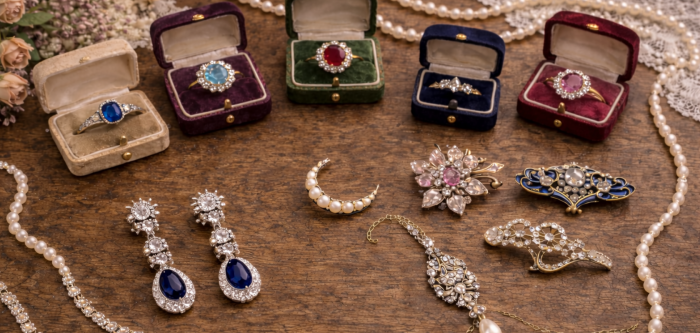
Choosing sustainable jewellery should not mean compromising on beauty, quality or sentiment. With carefully restored antique and vintage pieces, you can enjoy exceptional craftsmanship while making a responsible decision.
Our commitment remains simple:
- Recycle wherever possible
- Celebrate rarity and authenticity
- Extend the life of fine jewellery
- Offer pieces with lasting value
Sustainability is about respect, for materials, for craftsmanship, for history and for the future.
We are proud that nearly 90% of what we offer already has a story. And we are honoured to help those stories continue for generations to come!
Comments are closed here.